


Updated November 2026 by Cabo Solar Experts
How Much Does Off-Grid Solar Cost Los Cabos?
How much does off-grid solar cost Los Cabos? Cabo Solar Experts sizes every off-grid system from the property’s loads and days of autonomy. The solar-plus-battery kits that start that design are $15,500 USD, installed package price, for 4.4 kW of solar with 10.24 kWh of storage, and $31,080 for the Whole-Home Solar + 32 kWh Storage with 11 kW of solar and 32 kWh of storage.
These are battery-backed packages, not a finished off-grid price for every home. A true off-grid design depends on your loads, appliance list and site. A home that runs air conditioning or well pumps may need more solar and storage than a backup kit, and the final design and price depend on the property.
Send your appliance list and property location on WhatsApp for a quote: +1 951-577-5097, or email info@cabosolarexperts.com.
How much does off-grid solar cost Los Cabos for the published kits?
The published prices are turnkey package totals (USD, installed package price). Each total assumes the stated solar array, inverter, battery storage, installation and freight. They are starting points for design, not a quote for every roof, electrical setup or remote site. The final design and price depend on the property.
| Kit | Solar | Inverter | Battery (nameplate) | Turnkey price (USD, installed package price) |
|---|---|---|---|---|
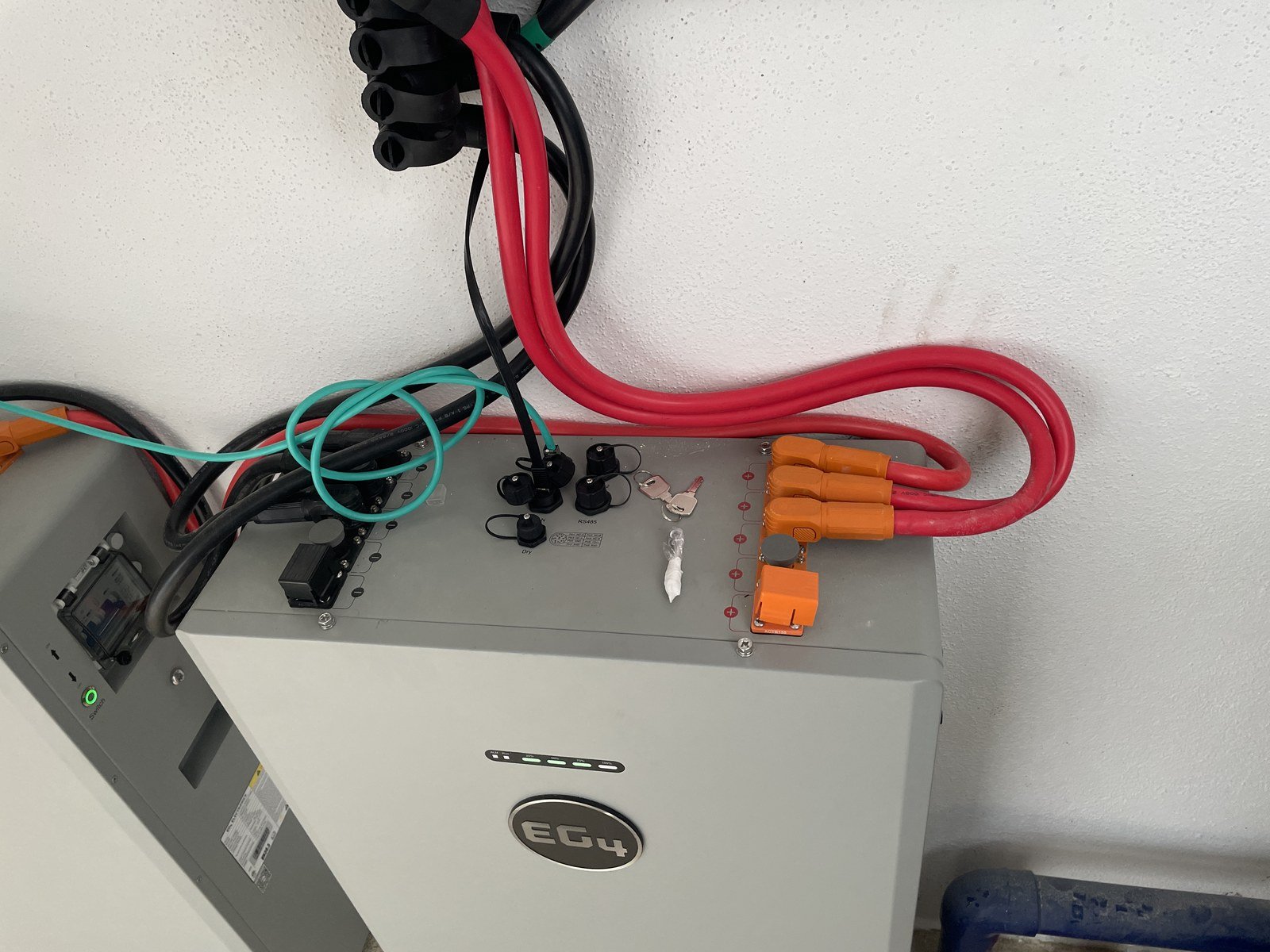
| Solar + Battery | 8 × 550W (4.4 kW) | LuxPower 6,000W | 2 × 5.12 kWh (10.24 kWh) | $15,500 |
| Whole-Home Solar + 32 kWh Storage | 20 × 550W (11 kW) | LuxPower 16K | 2 × 16 kWh (32 kWh) | $31,080 |
A solar-only system with no battery is not an off-grid kit. Without storage, there is no energy for night or for days with little sun.
Nameplate kWh is not fully usable. A reserve setting, inverter conversion losses, the battery-management system and temperature all reduce what you can actually draw. This page does not invent a usable-percentage figure.
For off-grid solar in Baja California Sur, Cabo Solar Experts plans from your daily loads and the site, not from a kit table alone.
Send your appliance list and property location on WhatsApp for a quote: +1 951-577-5097, or email info@cabosolarexperts.com.
Why is a full off-grid system often larger than a backup kit?
A backup kit is usually sized for selected essentials during a CFE outage, until the grid returns. An off-grid system has to cover the property’s regular daily and overnight use with no utility to fall back on, including days with little sun.
That is why a true off-grid design is often larger than a backup package with the same house in mind. You are planning for every day’s loads, not only for a temporary outage.
Well pumps and mini-splits are useful planning examples because they draw a lot of power and may run for many hours. They are not a promised runtime. Whether they fit a given kit depends on the model, how long they run, what else is on at the same time, and whether the inverter can start the motor.
Days of autonomy is a planning estimate: the number of days you want the battery to cover planned loads if the array produces little or no energy. It is not a guaranteed number of days the house will stay on.
How do I size an off-grid system?
You build a planning figure from a load list, then size the battery, inverter and solar array around that list. The result is a planning number, not a quote and not a guaranteed runtime.
A simple way to start:
- Write down each appliance the property needs to run, including overnight loads and anything seasonal.
- Note the running watts from the nameplate or manual, if you have it.
- Note how many hours each item runs in a typical day.
- Calculate daily energy: kWh = (watts × hours) ÷ 1,000.
- Add the loads together, then allow a margin for inverter losses and a reserve you do not drain.
- Decide a days-of-autonomy estimate for low-sun periods, and use that only as a planning input.
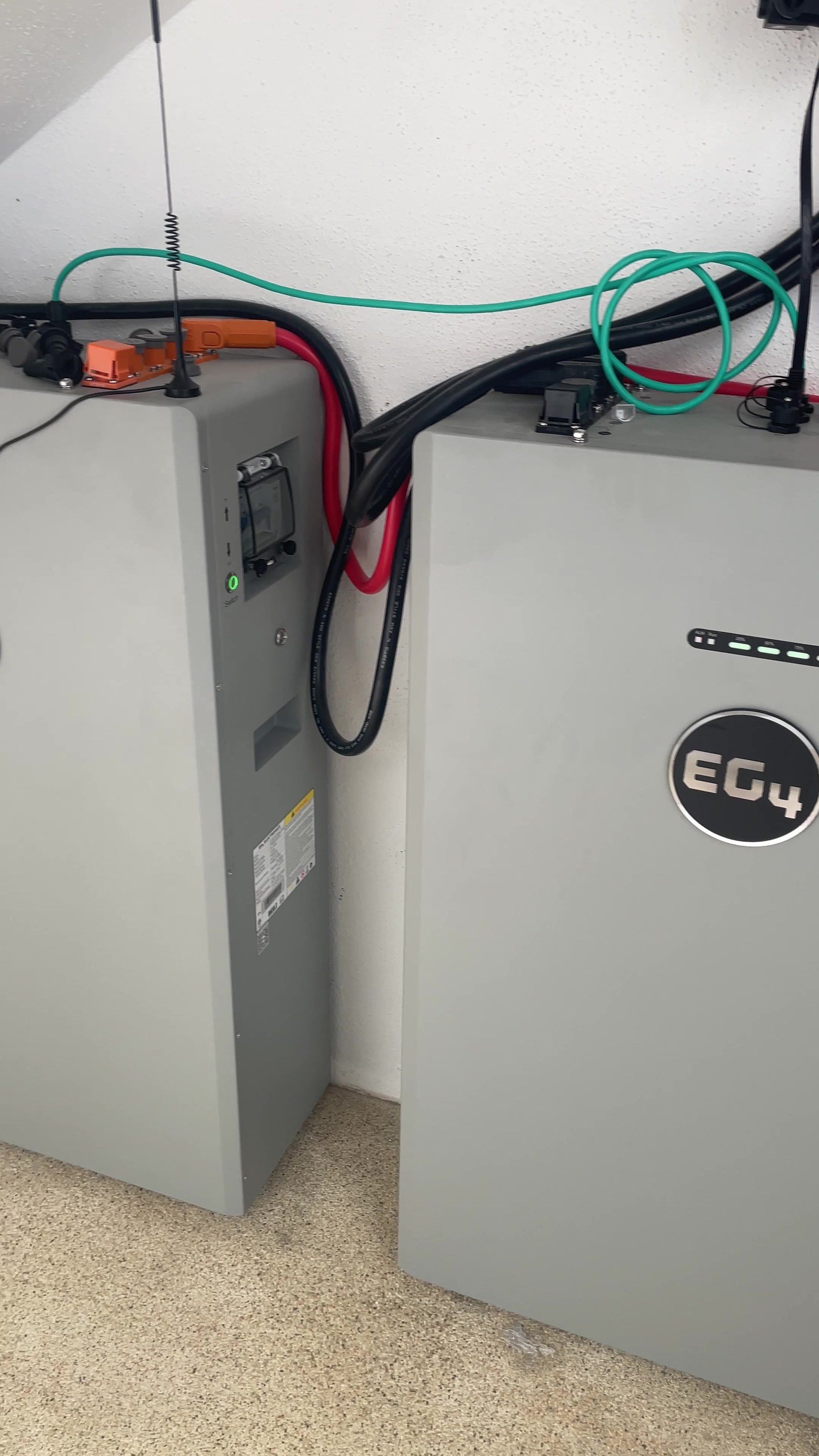
Battery size is measured in kilowatt-hours (kWh), which is stored energy. Inverter size is measured in kilowatts (kW), which is how much can run at once. A battery can have plenty of kWh and still be unable to start a well pump or a mini-split if the inverter cannot deliver enough power.
The solar array has to cover daytime use and recharge the battery. Array sizing is a related question; for panel sizing in Baja California Sur, see How to Size a Solar System in Baja California Sur (2026 Guide).
Do I need a generator with off-grid solar in Los Cabos?
Not automatically. Some off-grid properties in Los Cabos and the East Cape run on solar and batteries alone for normal use, and add a generator for extended low-sun periods or unusually heavy loads. Others keep a generator from the start as a backup charger.
A solar-and-battery system can supply the loads it is designed for without fuel, as long as stored energy and any solar recharge allow. Runtime is not guaranteed. A generator can cover gaps or larger loads while you have fuel, but it needs fuel on hand and regular maintenance, and it is noisy.
The better mix depends on your loads, how much reserve you want, and whether you want to store and handle fuel. Cabo Solar Experts can look at both options once it has your appliance list and property location. No system should be described as hurricane-proof.
Off-grid vs hybrid: which costs more, and which fits if CFE is already on site?
If CFE is already at the property, a hybrid system — solar and batteries that can still use the grid — is often the better fit. The grid can cover long low-sun periods, and you may not need to size solar and storage for full independence.
An off-grid system usually costs more for the same house because the array and battery have to cover daily use with no utility fallback. How much more depends on the loads and the site, not on a single added number. The two kit prices above are battery-backed package totals. They are not a hybrid price list and not a finished off-grid quote.
For the comparison itself, see Hybrid vs. Off-Grid Solar in Los Cabos and Choosing Between Grid-Tied and Off-Grid Solar in Cabo. This page does not rewrite those guides.
Who is this for?
This guide on how much does off-grid solar cost Los Cabos is for ranchos and homes with no CFE service, East Cape and other remote parcels, and new builds that sit beyond the grid. It can also help a Los Cabos property that is considering disconnecting from CFE, though that choice is not assumed to be common and should be planned from the actual loads, not from a kit name.
It is a starting point for sites in Cabo San Lucas, San José del Cabo, the Tourist Corridor and the East Cape, and for other Baja California Sur properties. Service for a site outside the usual Los Cabos area should be confirmed when you enquire.
Vacation or seasonal homes should list the loads that run when the property is occupied and when it is empty. If you already have a generator or some solar equipment, include the models so they can be reviewed before anything is added or replaced.
Frequently asked questions
How much does off-grid solar cost Los Cabos?
Cabo Solar Experts sizes every off-grid system from the property’s loads and days of autonomy. The solar-plus-battery kits that start that design are $15,500 USD, installed package price, for 4.4 kW of solar with 10.24 kWh of storage, and $31,080 for the Whole-Home Solar + 32 kWh Storage with 11 kW and 32 kWh. These are battery-backed packages; a true off-grid design depends on your loads and site, and the final price depends on the property.
What is included in those kit prices?
The published prices are turnkey package totals (USD, installed package price), and assume the stated solar array, inverter, battery storage, installation and freight. They are starting points, not a quote for every property. A solar-only system with no battery is not an off-grid kit.
Why is a full off-grid system often larger than a backup kit?
Backup is usually sized for selected essentials until CFE returns. Off-grid planning has to cover daily and overnight use with no grid to fall back on, including days with little sun. Well pumps and mini-splits are planning examples, not a promised runtime.
How do I size an off-grid system?
List each appliance, multiply watts by daily hours, and divide by 1,000 to get kilowatt-hours. Allow a margin for inverter losses and a reserve, and use days of autonomy only as a planning estimate. Battery kWh is stored energy; inverter kW is how much can run at once. You need enough of both.
Do I need a generator with off-grid solar in Los Cabos?
Not automatically. Some properties use solar and batteries for normal use and keep a generator for low-sun periods or heavier loads. A generator can cover gaps while you have fuel, but it needs fuel and maintenance. Runtime is not guaranteed either way.
If I already have CFE, is off-grid or hybrid the better cost fit?
If CFE is already on site, a hybrid system is often the better fit, because the grid can cover long low-sun periods. Off-grid usually costs more for the same house, because solar and storage must cover daily use without that fallback. The right choice depends on the property.
Related reading
- Hybrid vs. Off-Grid Solar in Los Cabos
- Choosing Between Grid-Tied and Off-Grid Solar in Cabo
- How to Size a Solar System in Baja California Sur (2026 Guide)
Send your appliance list and property location on WhatsApp for a quote: +1 951-577-5097, or email info@cabosolarexperts.com.