


⚠️ OFFICIAL BCS CIVIL PROTECTION BULLETIN: 2026 EL NIÑO HURRICANE PREPARATION STRONGLY ADVISED
METEOROLOGICAL BULLETIN: HISTORIC 2026 EL NIÑO THREAT
Hurricane Backup Systems Los Cabos: Autonomy & Survival
With Pacific sea surface currents pacing substantially warmer than the extreme historical storm seasons of 1996 and 2014, civil protection authorities warn of critical cyclone developments. Guard your luxury estate, fresh water pressure, overnight air conditioning, and medical equipment with highly certified high-wind solar panels, premium energy cells, and automated Generac standby generation loops.
Cat 5 Hurricane Wind-Load Ratings
Advanced Daily Cycle Storage
Full Interconnection Permitting

2026 meteorological forecasting models showing persistent oceanic warming anomalies and thermal pools surrounding the southern Baja Peninsula.
The 2026 El Niño Phenomenon & Marine Heat Anomalies
The 2026 hurricane season in Baja California Sur is shaping up to be exceptionally volatile due to a dramatic transition in the El Niño-Southern Oscillation (ENSO) framework. Meteorological models from Mexico’s National Meteorological Service (SMN) and the National Oceanic and Atmospheric Administration (NOAA) confirm that sea surface temperatures (SSTs) in the Eastern Pacific’s Niño 3.4 region have broken past critical historical baselines, registering anomalies as high as +3.4°C above the long-term running average.
To fully comprehend the danger facing communities such as Pedregal, Palmilla, Querencia, and the East Cape, we must look back at historical precedents. During the severe El Niño phases of 1996 and 2014, the southern peninsula suffered catastrophic infrastructure failures. Warm tropical waters act as a thermal battery, fueling rapid cyclone intensification. When ocean temperatures exceed the 28.5°C threshold, standard tropical depressions can mutate into Category 4 or Category 5 hurricanes within a compressed 24-hour window, similar to the devastating path of Hurricane Juliette in 2001 and Hurricane Odile in 2014.
Unlike mainland Mexico, the state of Baja California Sur operates on an isolated electrical grid (Sistema Eléctrico BCS) that is physically disconnected from the National Interconnected System (SIN). This means that if primary high-tension transmission towers along the La Paz-to-Cabo corridor buckle under 150+ mph winds, the entire southern state drops into an immediate, dark blackout. Historical restoration times for premium residential neighborhoods and commercial centers run anywhere from 3 to 14 days, as CFE crews must transport specialized line-testing trucks and heavy replacement towers via ferry from Sinaloa or Sonora. Relying purely on traditional utilities during this active season presents an unacceptable threat to physical safety, valuable property, and civil security.
Cabo Power Autonomy Calculator
Select the high-draw appliances you need to keep active during a severe weather blackout. Use the range sliders below to scale your solar storage and standby generator capacity.
Critical Food & Medicines
OFF
Overnight Climate Control
OFF
Secures Home Water Pressure
OFF
Emergency Local Comms
OFF
No Battery
16kW LFP Battery
Dual LFP (32kW Array)
No Generator
Generac 18kW System
Generac 22kW Heavy Estate
⚡ System Resilience Output
Standard Grid
Prone to immediate dropouts
Zero Backup
Standby Loop
Extremely Limited
How Our Tri-Phase Resilience System Works
A completely synchronized, automated, and storm-proof power infrastructure that guarantees you never lose power, no matter how long the main grid fails.
Certified Hardware Designed for Baja Storm Profiles
A closer structural look at how our custom-engineered physical infrastructure handles environmental salinity, intense ambient heat, and extreme wind forces.
1. Custom Wind-Load Solar Arrays
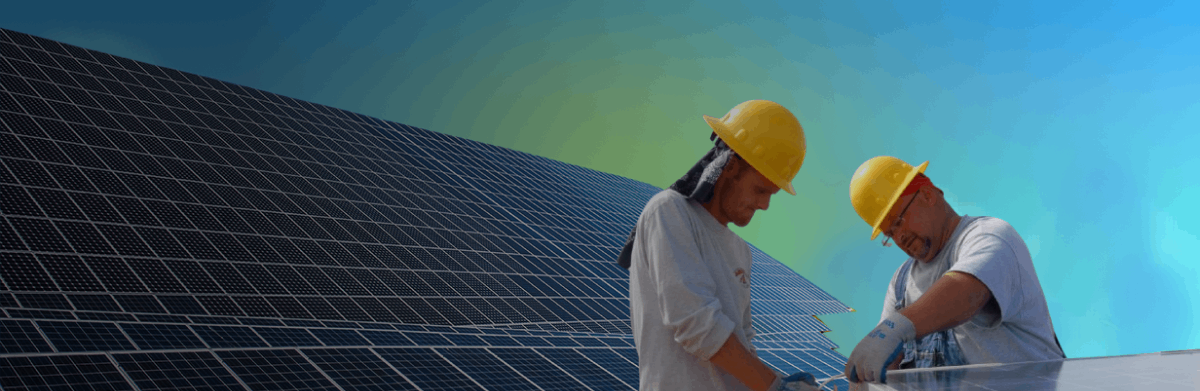
Standard solar installations in mainland regions are built for mild vertical loads. In Los Cabos, we design specifically for intense uplift wind shear forces. Our racking setups utilize structural-aluminum rail profiles anchored using chemical epoxy dowels directly into the structural roof concrete slabs.
All mounting structural hardware features 316-grade stainless steel fasteners to guarantee zero localized galvanic corrosion. The microgrid solar panels utilize dual-glass layouts with specialized anodized frames, protecting interior silicon layers from microscopic salt mist ingress common in beachfront communities like Palmilla or Pedregal.
2. 16kW+ LiFePO4 Energy Cells
Energy storage in the tropical heat of Baja California Sur requires advanced chemistry. Our lithium iron phosphate (LiFePO4) battery arrays are engineered to maintain high performance when ambient room temperatures exceed 40°C.
Each 16kW storage bank is managed by an intelligent internal Battery Management System (BMS) that actively balances cell voltages, monitors thermal signatures, and handles deep discharge parameters. When grid power drops, our hybrid microgrid configurations isolate your domestic circuits within 16 milliseconds—ensuring sensitive satellite modems and high-ticket electronics avoid damage or power resets.
3. Automated Generac Standby Systems
When storm activity blocks daylight production for 3 to 7 consecutive days, backup storage must link with automated mechanical generation. Our liquid-cooled Generac systems run on natural gas or propane (LPG) reserves, starting automatically when utility lines collapse.
We install every unit on a structural concrete pad raised above local flood lines. Standard central air conditioner starting currents (Locked Rotor Amps or LRA) are managed by our digital soft-start switches, which reduce starting power surges by up to 70%, allowing modest generator footprints to handle massive cooling loads smoothly.
Turnkey CFE Net-Metering & Permitting Compliance
In Mexico, solar systems connected to the main utility loop require specialized permitting. Cabo Solar Experts manage the entire regulatory process to ensure your system complies with CFE’s baja and media tensión interconnection framework.
Our internal compliance officers coordinate directly with UVIE inspectors (electrical inspection units) to guarantee that your high-power automatic transfer switch (ATS) complies with Mexican NOM-001-SEDE security standards. When grid power drops, your system isolates physically, ensuring utility crews can work safely to restore local services while your home continues running autonomously.
Compliance & Engineering Milestones
- ✓ Direct load calculations and single-line diagram drafting
- ✓ Turnkey processing of CFE bidirectional net-metering contracts
- ✓ ASCE 7-16 structural wind load structural validation
- ✓ UVIE third-party certification and safety compliance reports
Baja’s Certified Resilient Power Hardware
Traditional generic mounts fail under persistent coastal desert weather anomalies. We design heavy mechanical structures that resist degradation.
100% Wind-Rated Solar
Reinforced, structural structural-aluminum rails designed to anchor cleanly into roof slabs. Marine-coated to withstand extreme salinity levels and prevent oxidization.
- ✓ Cat 5 Wind-Load Certified
- ✓ Double Deck Structural Anchors
Cabo Solar battery backup (16kW)
Premium Lithium Iron Phosphate (LFP) high-output cells. Deep-cycle safety systems configured to power master bedroom air conditioning zones all through the night.
- ✓ Thermal Management Enclosure
- ✓ Automatic Grid Isolation Logic
Generac Standby Systems
Liquid-cooled automated Generac systems engineered for desert climates. Features instant ignition switches when the primary power grid drops completely out of sync.
- ✓ Automatic Load Shed Switches
- ✓ Heavy Reinforced concrete Pad
Our 4-Step Resiliency Deployment
Getting prepared before high-potency storms hit Baja California Sur is straightforward. Here is our turnkey process.
Site Power Audit
We calculate your real home load requirements (pumps, refrigeration, cooling) and verify structural roofing deck compatibility.
Engineering Design
Our technicians draft custom electrical schematics integrating your high-efficiency solar, batteries, and standby generator switches.
Structural Install
We pour reinforced concrete generator pads, secure deep-anchored structural rack arrays, and finalize automatic switch loops.
CFE Connection
We handle all legal bidirectional municipal permitting and connection loops, leaving you prepared with independent power autonomy.
Tested in Past Storm Outages
Read how premium local homeowners in Pedregal and Palmilla secure their families and estates with our systems.
“During the prolonged blackouts in Todos Santos, our home maintained continuous master zone AC, water pressure, and refrigeration. Our Generac standby unit and battery storage synced perfectly. Cabo Solar Experts are top-tier technicians.”
Todos Santos Estate Owner
“The peace of mind knowing our property water pumps and critical refrigeration runs autonomously is invaluable. Cabo Solar Experts handled all the permitting seamlessly. The visual installation on our roof is rock-solid.”
Palmilla Villa Resident
Book Your On-Site Sizing Assessment
Cabo Solar Experts provide custom, site-tested off-grid designs. Do not wait for tropical cyclone watches to begin prep.
Assessment Request Received!
Thank you. Your request has been securely logged with our technical assessment desk. A regional Cabo Solar Experts engineer will contact you shortly to coordinate your on-site assessment.
Frequently Asked Questions
Deep technical coverage of local energy infrastructure conditions and hardware specifications in Baja California Sur.
All array infrastructure we deploy in Baja California Sur is structurally engineered to survive localized tropical wind pressures matching Category 5 velocities (up to 160 mph). We do not utilize standard modular roof mounts or basic clip racking. Instead, we anchor heavy-gauge, extruded structural-aluminum rails directly into concrete roof slabs using heavy chemical anchor bolts.
This mechanical connection transfers shear stress directly into the primary building frame, eliminating localized roof lifting. Additionally, our panels are mounted with zero vertical gaps below, reducing upward lift forces when strong wind shear passes over the structure.
Ocean temperatures in the eastern tropical Pacific are registering unprecedented thermal pool metrics, exceeding historic storm markers from 1996 and 2014. These warmer water currents provide significant thermal energy, allowing storms to intensify rapidly over short periods.
When systems approach Los Cabos over these warmer currents, they maintain structural integrity and power longer, increasing the likelihood of Category 3 or higher cyclones hitting the southern peninsula directly.
With a dedicated local propane (LPG) storage loop, an automatic Generac unit can run continuously for 5 to 7 days under standard loads. By integrating a 16kW battery storage bank, runtime is optimized.
Rather than running the engine 24/7, our hybrid setup uses battery cells to support low overnight loads, only starting the generator to handle peak demands or recharge the batteries. This reduces fuel consumption and wear, extending potential off-grid survival for weeks.
Standard grid-tied solar systems immediately shut down during an outage for utility safety. Our hybrid microgrid systems isolate your property instantly during a blackout, utilizing high-output battery banks and standby generators to keep your circuits running without interruption.
Yes, salt mist can accelerate galvanic corrosion and glass clouding on standard systems. To counter this, we design exclusively with premium anodized anti-corrosive marine-grade components, salt-resistant structural glass coatings, and sealed electrical junction loops engineered specifically for front-row beachfront exposure in Los Cabos.
Our single 16kW LFP or modular dual battery loops (32kW) are configured with active load-shedding switches. This allows you to run critical cooling in designated master bedroom zones overnight, leaving high-draw secondary zones offline to protect your essential reserves.
Baja California Sur’s electrical network operates as a geographically isolated grid with no physical connection to mainland Mexico. In major storms, high-tension transmission towers along the peninsula often experience significant damage. While repair teams work hard, restoring power to all sectors can take from 3 to 14 days, making independent backup systems highly critical.
All hybrid backup systems must comply with CFE grid safety standards and municipal structural guidelines to prevent backfeeding power during an outage. Our engineering team handles the entire turnkey process—from mechanical load surveys to securing official UVIE certifications and CFE net-metering contracts.
Yes, all of our installations include integrated smart-monitoring modules. Through a secure mobile application, you can track daily solar production, real-time battery charge levels, estimated generator runtime, and receive instant weather alerts from anywhere in the world.
Under Mexican tax law (Ley del Impuesto sobre la Renta, Artículo 34, Fracción XIII), businesses and residential entities can deduct 100% of their investment in solar energy equipment from federal income taxes in the first year. Additionally, net-metering reduces CFE bills, offering significant long-term return on investment.