


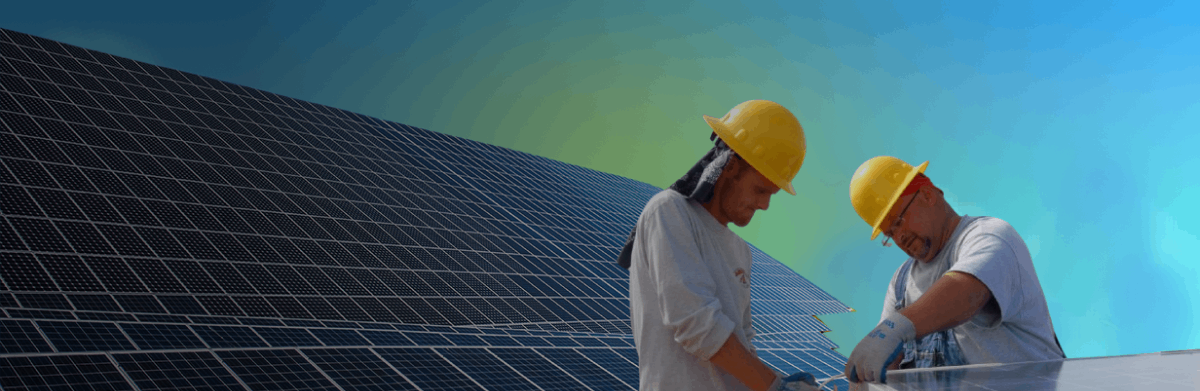
Solar Panel Shading Effects
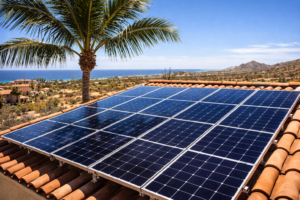
Solar panels generate electricity by converting sunlight into energy. When panels are partially shaded, their electrical output can be significantly reduced. Even small areas of shade can impact the performance of an entire solar panel string.
Understanding solar panel shading effects is an important part of designing efficient solar systems, especially in regions such as Baja California Sur where roof design, trees and nearby structures may create temporary shading.
How Shade Reduces Solar Output
Solar panels operate as part of an electrical circuit. When shade covers part of a panel, the current flow can be restricted, reducing the power produced by the entire panel or group of panels connected together.
Common sources of solar shading include nearby trees, roof structures, satellite dishes, chimneys and neighboring buildings.
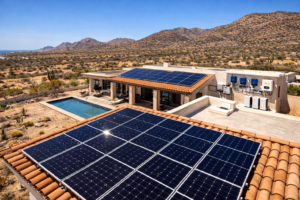
Importance of Proper Panel Placement
Solar system design should consider roof orientation, sun path and possible shading throughout the day. Proper placement of solar panels helps maximize sunlight exposure and improve overall energy production.
Professional solar system design ensures that panels are positioned to receive maximum sunlight throughout the year.
Monitoring Solar System Performance
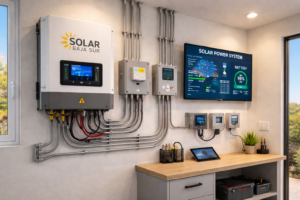
Modern solar systems include monitoring systems that track electricity production in real time. These systems allow homeowners to identify shading issues or performance problems quickly.
Monitoring tools help ensure solar systems operate efficiently and continue producing optimal energy levels over time.
Designing Solar Systems for Maximum Efficiency
Professional solar installation considers shading, roof structure and system layout to ensure optimal performance. Proper system design reduces shading losses and improves long-term solar energy production.
With correct placement and monitoring, solar systems can provide reliable power for homes and businesses across Baja California Sur.